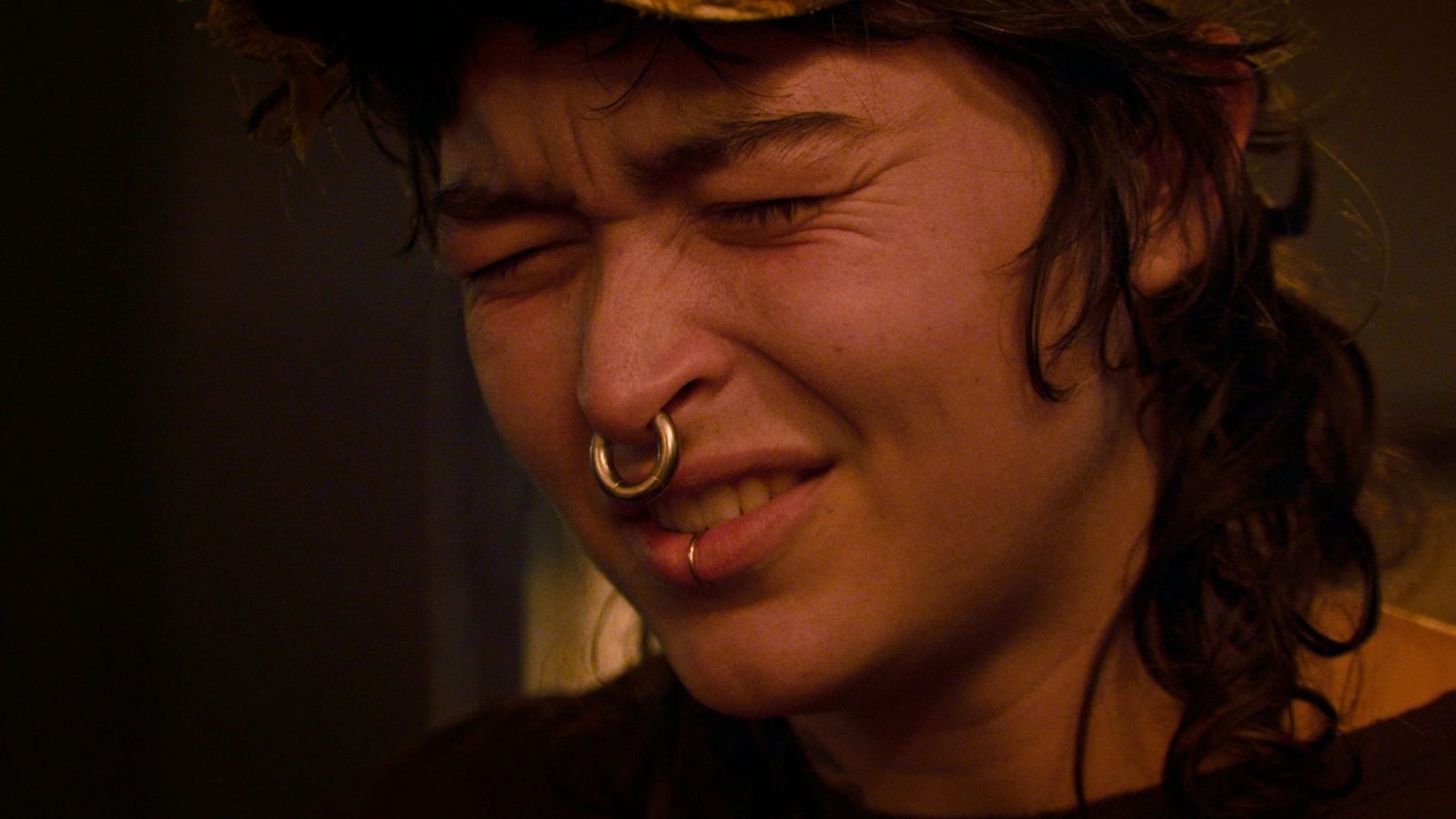
After 100 years of independence, a new and bold generation of young Irish artists are redefining folk music and rethinking the impact of their colonial history.
Celtic Utopia follows a new surge of alternative folk and traditional musicians who are making music “to scare the priests and politicians”. While creating melancholic new sounds, they are redefining and problematizing the form itself, shaping culture according to their own vision. Bold, open and witty young musicians gradually take over the narrative of the film, passing it on to each other, just as they would pass a melody to each other in a traditional music session. Through their music, they tell the story of a hundred years of history in a country that has undergone major social, political and economic changes.
In the words of film critic Sofia Topi: “In the end, what remains is not a conclusion, but a feeling; that cultural survival is chaotic, that heritage often carries contradictions, and that music, while not redemptive, can be a vehicle for dignity, defiance, and belonging. One idea remains: that it is possible to love a place that has made no room for you. And that art, in its simplest form, can help you survive.” Celtic Utopia demonstrates what music documentaries can be when they resist genre conventions and let the texture of everyday life surface.
Some of the Irish musicians featured in the film include The Mary Wallopers, The Deadlians, Poor Creature, Negro Impacto, and Lankum.


Trailer
Awards
- Critics Week Award Locarno Film Festival 2025
Screening schedule
- Dokukino KIC Q&A