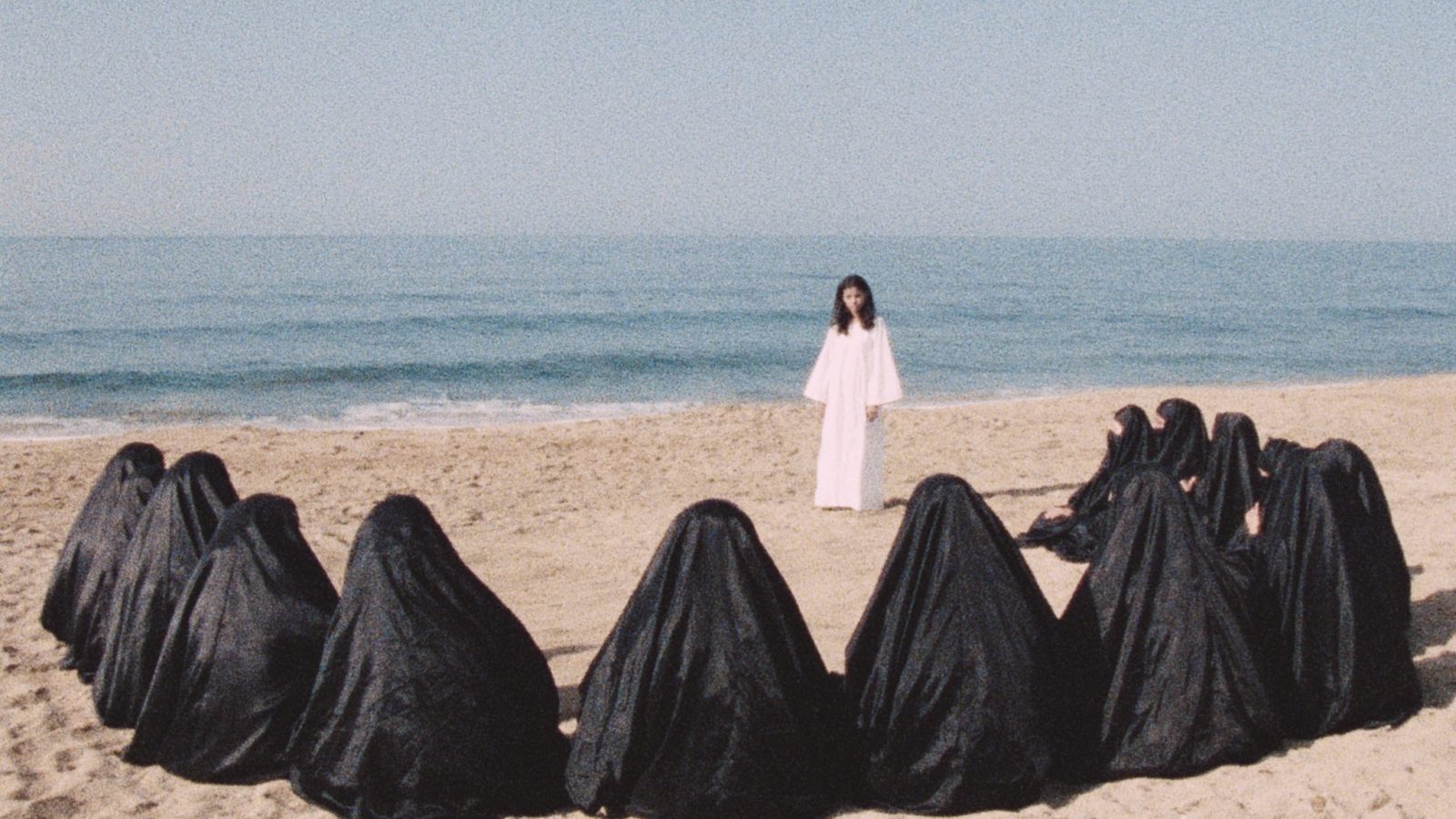
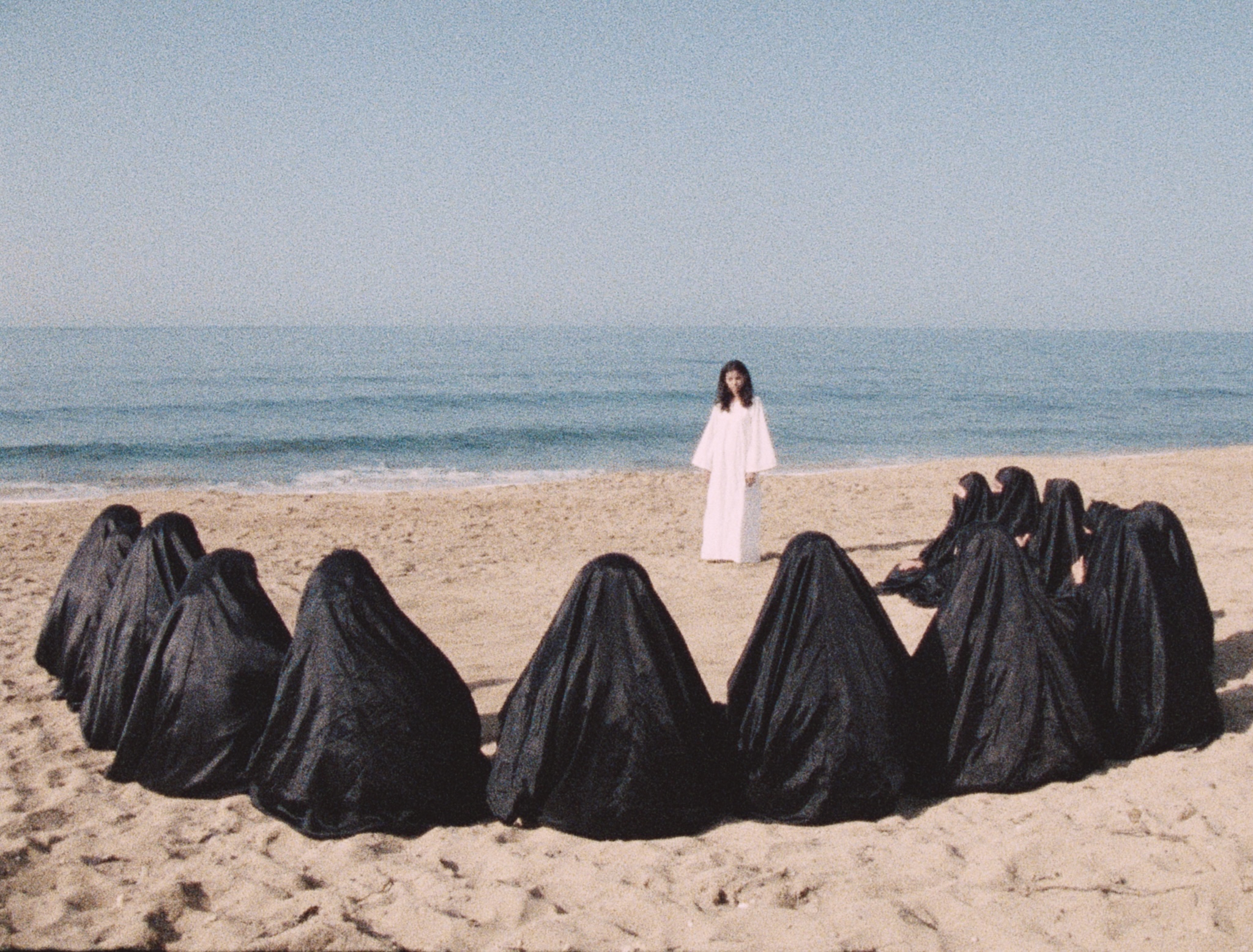
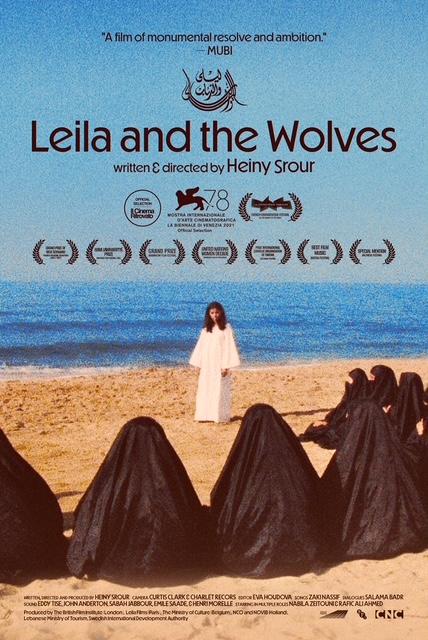
Refusing the colonial and masculine version of History, Leila travels through time and space of 80 years of Middle Eastern History. From the British Mandate to the Lebanese Civil War, she reveals the hidden role of women… And realizes that the Patriarchy also oppresses men!
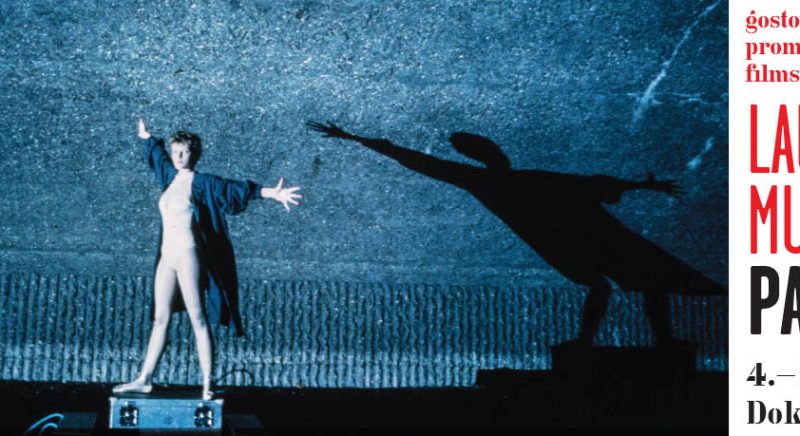
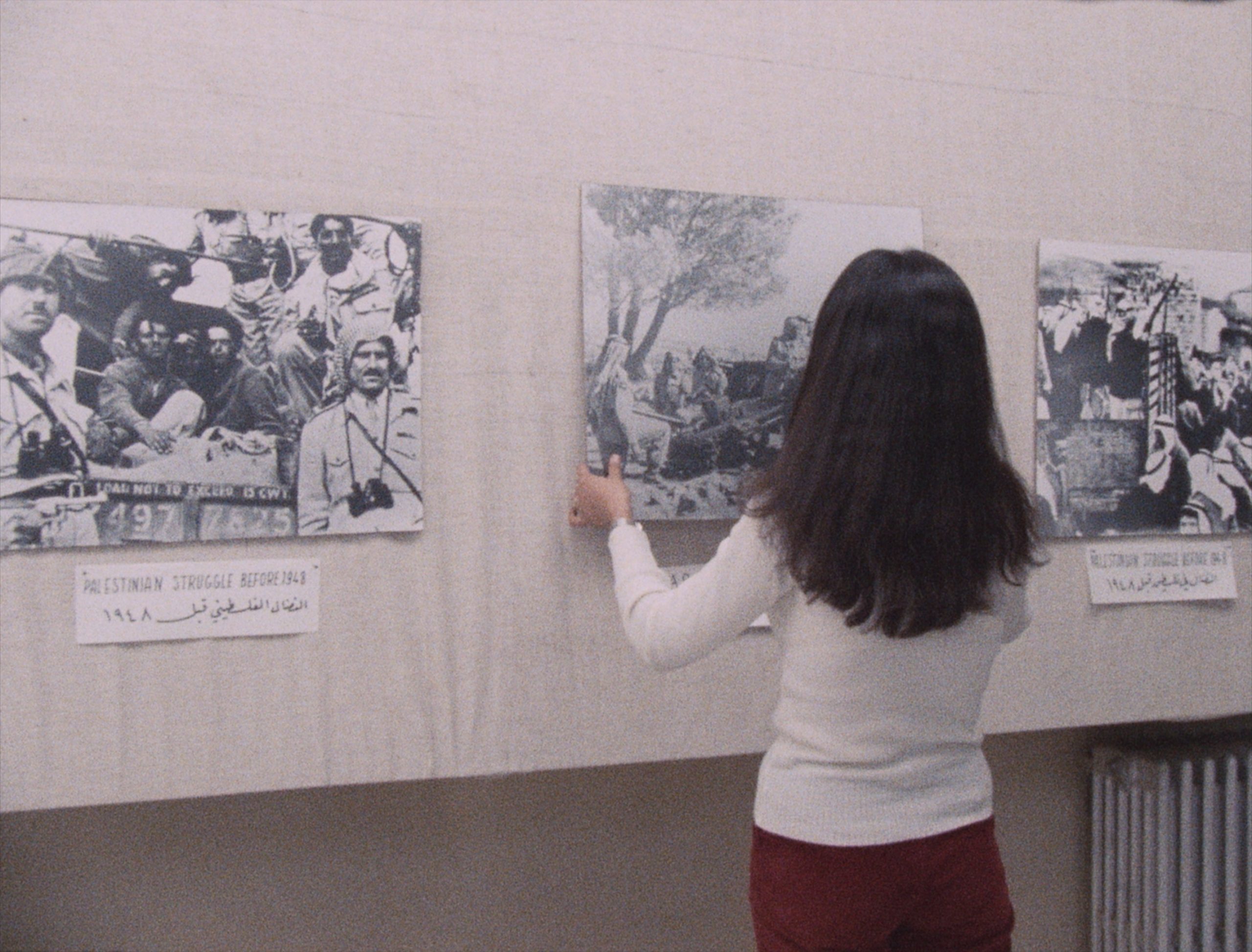
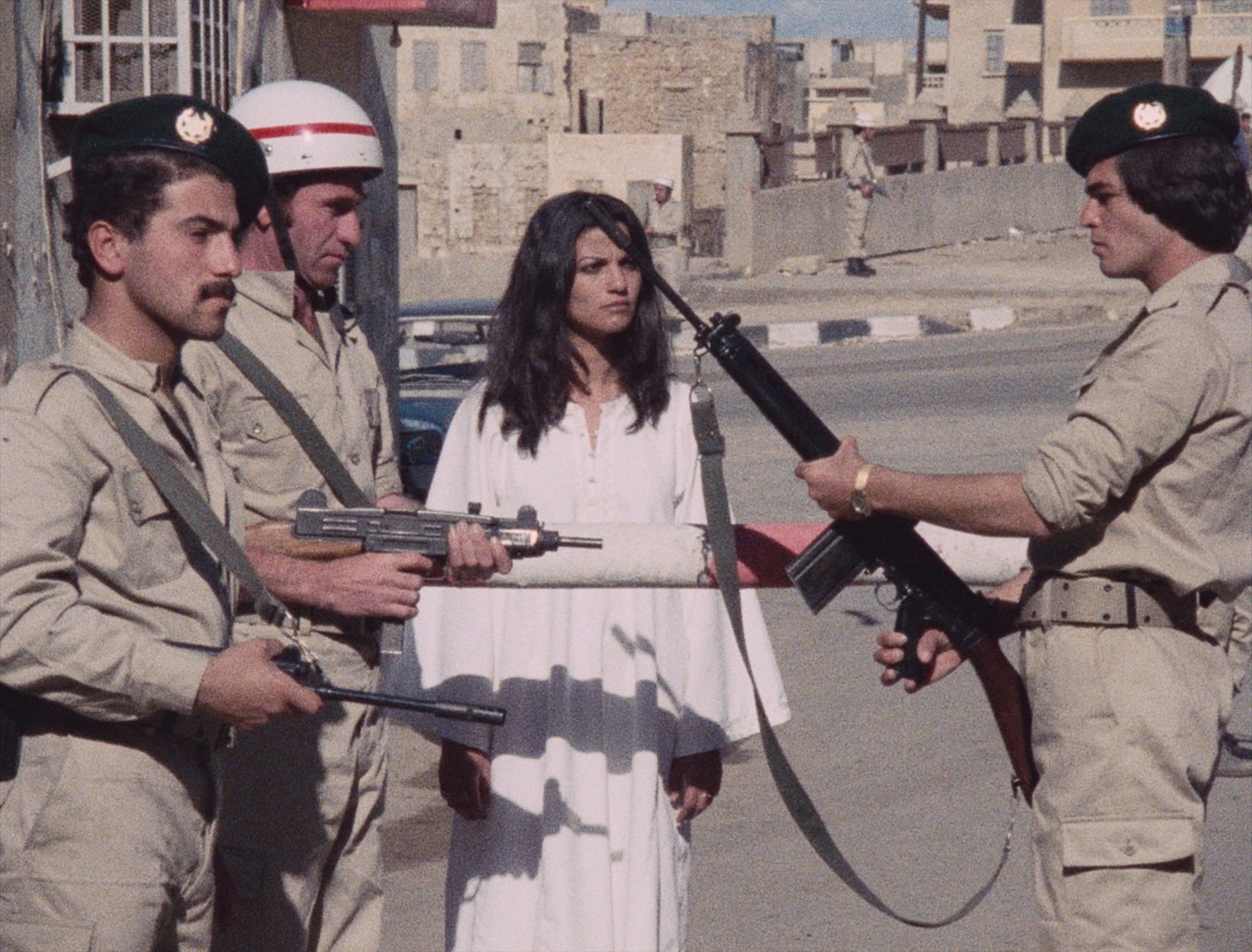
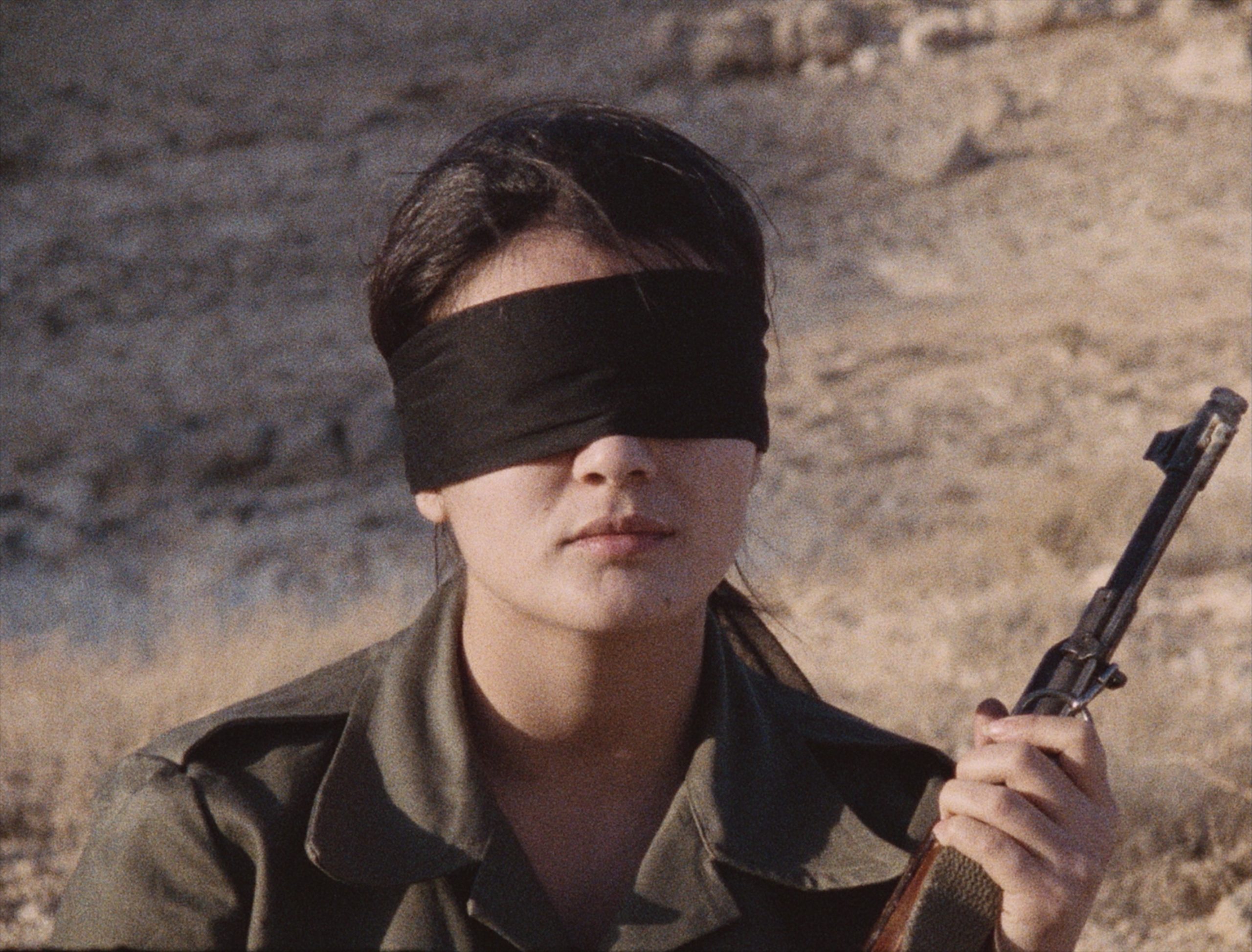
Drawing on the Arabian Nights tradition of storytelling, based on true facts, LEILA AND THE WOLVES adopts an aesthetic off the beaten tracks. Lebanese London student Leila travels across time and space to refute the male dominated colonial version of History expressed by her fellow Lebanese boyfriend Rafic. Leila’s journey starts in the Palestine of the British Mandate and ends in the Lebanese Civil War. She projects herself and Rafic in History, both playing multiple roles in chronicled events. To excavate the hidden role of Arab women the film weaves an ambitious tapestry of archives, folklore and memorable fiction images. While unearthing women’s silent and unglamorous sacrifices which made revolutions possible, Leila realizes the complexity of Patriarchy: it oppresses men too, sons, fathers and husbands alike.
“Drawing from the Arab heritage of the oral tradition and the mosaic model, Leila and the Wolves explores the collective historic memory of Arab women. Filmed over the course of seven years, and in treacherous conditions, Srour’s film is a masterpiece, mixing footage from the archives, stories from fairy tales, aesthetically daring images and dramatisations of the situations faced by women in Lebanon and Palestine, from the beginning of the twentieth century to the 1980s. Through the eyes of Leila, a Lebanese student dissatisfied with the official colonial version of regional history dominated by men, the film reconstructs the daily, often unpleasant and silent sacrifices made by women, within and in parallel with heroic military actions. The stories told here are fierce, ironic and sometimes shocking.” (Leila Pourtavaf)
“Filmed in conditions that were often dangerous and over a span of seven years, this feature film has been described as a “triumph of artistic ambition over apparently unsurmountable difficulties” and is an important contribution to Third World aesthetics.” (Annette Kuhn)
“How did I manage to shoot this film without being shot? By which miracle, me, my cast and crew came out alive? Filming under the bullets of Lebanon and Syria was unthinkable. This film took 6 years of my life. But only results matters. I’m proud to have enraged all antagonist factions involved in the Middle East. This is what a true artist should do in absurd conflicts. That’s why this 1984 film remained timely and in fashion. I tried to adequate bold aesthetics with taboo subjects: embracing decades of History from a feminist point of view whilst perceiving male oppression under Patriarchy.’’ (Heiny Srour)
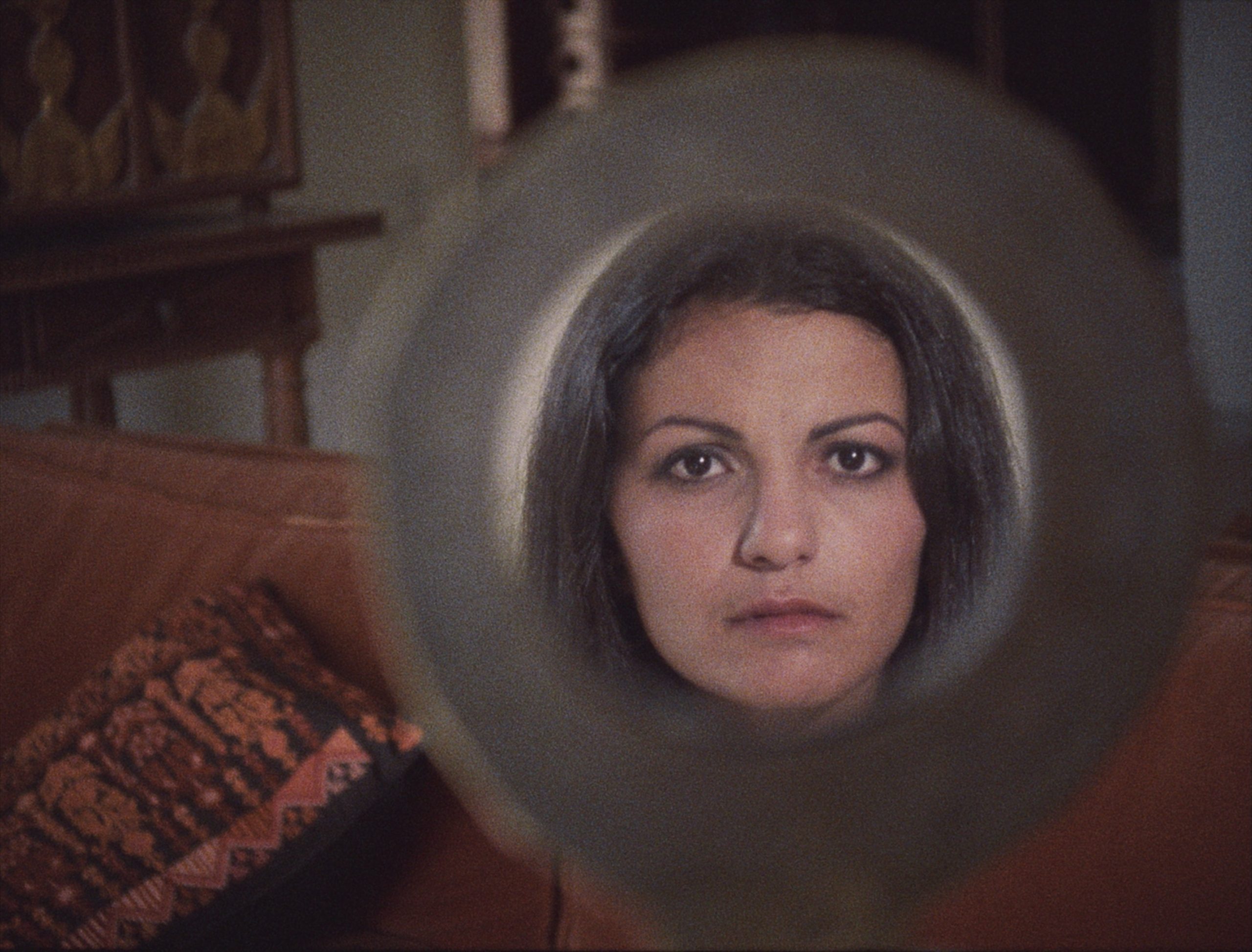


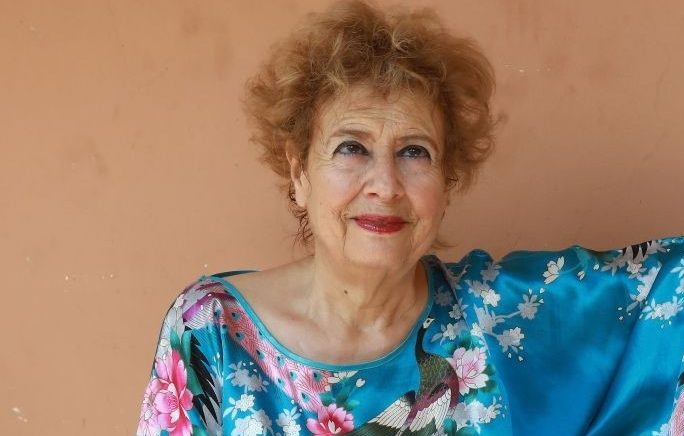
Heiny Srour
Born in 1945 in Beirut, studied Sociology at the French University of Beirut (Ecole Supérieure des Lettres) and went on to study Social Anthropology at the Sorbonne in Paris, where she was a student of both Marxist sociologist Maxime Rodinson and anthropologist filmmaker Jean Rouch. In 1969, while pursuing a PhD on the status of Lebanese and Arab women and working as a journalist for AfricAsia magazine, she discovered the struggle of the Popular Front for the Liberation of the Occupied Arabian Gulf, which led an uprising in the province of Dhofar against the British-backed Sultan of Oman. Determined to make a film about this feminist movement, she spent two years doing intensive research and finding the necessary funds before setting out to Dhofar. From the Yemeni border, Heiny Srour and her team crossed 500 miles of desert and mountains by foot, under bombardment by the British Royal Air Force, to reach the combat zone and record the only document shot deep inside the Liberated Area. The Hour of Liberation was completed in 1974 and selected at Cannes Film Festival, making Srour the first woman from the Third World to be selected at the prestigious international festival. Including four years of restoration, this documentary took, all in all, ten years of her life. It took her six years to achieve her next film, Leila and the Wolves (1984), in which she unveiled the hidden histories of women in struggle, in particular in Palestine and Lebanon, by weaving an aesthetically and politically ambitious tableau of history, folklore, myth and archival footage. In her words: “Why shouldn’t women be ambitious? Because men only want women to exclusively deal with women’s issues like home, family and so on, they want to ghettoize us. I resent this. We should deal with the public affairs and political issues too.” Since initiating a feminist study group in Lebanon in the early 1960s, Heiny Srour has been vocal about the position of women, in particular in Arab societies. She has written and spoken extensively about the image and role of women in Arab cinema. In 1978, along with Tunisian filmmaker Selma Baccar and Egyptian film historian Magda Wassef, she co-authored a manifesto ‘For the Self-Expression of the Arab Woman’, remaining passionately active in her feminist advocacy to this day. More recently, she shot a film in Vietnam (Rising Above: Women of Vietnam, 1995) and was the only filmmaker to film Egyptian protest singer Sheikh Imam in his home and neighbourhood (The Singing Sheikh, 1991).
Screening schedule
- Kino Kinoteka Q&A